EMAC International is the unparalleled source for offering nationally recognized and credentialed subject matter experts and instructors in emergency mitigation, preparedness, response, and recovery. Our faculty and staff provide customized solutions to meet the complex challenges of our clients. EMAC International’s courses and training programs meet or exceed nationally recognized industry standards. Allow our team to assist you with:
|
|
|
|

ENTER 
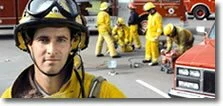
The Command Institute at EMAC International offers more than 150 customized classes...the most extensive core collection of strategic training available. These essential training programs bridge the gap among local, state, and national training initiatives. They will provide skill development opportunities for enhanced preparedness, education, and knowledge. Participants will be prepared for the increasing challenges and demands of their assignments. learn more about the Command Institute
|
|
EMAC International specializes in providing responsive, innovative, and cost-effective solutions for enterprise, critical infrastructure, educational, and governmental customers. tabmd.com

We are unique in that we combine extensive management capabilities with hands-on technical and operational experience so we may employ a broad and flexible approach to any challenge. Our network of professionals invites you to learn more about what they can do for you. learn more about our consulting and technical
services
|
|
|
THESE COURSES MEET THE STANDARDS ESTABLISHED BY THE NIMS INTEGRATION CENTER FOR COURSES AS TAUGHT BY THE DEPARTMENT OF HOMELAND SECURITY (DHS).
NS 300 - Intermediate Incident Command System, ICS-300
Middle management, strike team leaders, task force leaders, unit leaders, division/group supervisors, branch directors and Multi-Agency Coordination System/Emergency Operations Center staff.
NS 400 - Advanced Incident Command System, ICS-400
Command and general staff, agency administrators, department heads, emergency managers, areas commander and Multi-Agency Coordination System/Emergency Operations Center managers.
view other ICS & NIMS courses
|
|
EMAC International offers NIMSonline.com to the National Incident Management System (NIMS) Community. This online multidisciplinary resource provides current news, open-source document access and peer discussions. visit NIMSonline.com

|
|
|
|
|

REACT™
Response and Command Training
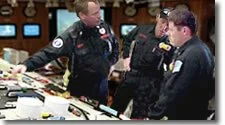
EMAC International's customized training programs and exercise modules incorporate realistic tabletop scale-model scenarios and dioramas with advanced integrated technology.

Regardless of our client's size or complexity, REACT™ multidiscipline tabletop simulation provides proven skill set development unavailable from any other provider.
learn more about REACT™ tabletop exercise modules
|
EMAC International is a leader in providing discussion-based and operations-based exercise services for incident response and command management. REACT™ services include program development and management for drills, functional, and full-scale exercises.
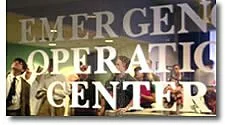
Our exercise programs are designed to promote confidence and enhance abilities of the participant in the areas of strategic, tactical, administrative, managerial, and support functions within an incident environment. learn more about
REACT™ exercise services
|
|






















 Federal Agencies
